
Reading the News
A Forecast in a News Story Is Not an Observed Result
Distinguish a forecast, an estimate and an observed result when reading a news claim, then check the date and assumptions behind the number.

Read beyond the noise.
Distinguish a forecast, an estimate and an observed result when reading a news claim, then check the date and assumptions behind the number.

Read the writer credit and location line separately, then trace what a news report actually says about where its information came from.

Several headlines may repeat one wire report or announcement. Trace the reporting trail before counting independent confirmation.

Read a person’s account as evidence of their experience while checking what supports broader claims about a neighbourhood, profession or country.

Understand why several outlets publish the same research at once, and separate an embargo’s timing rule from the strength of the underlying evidence.
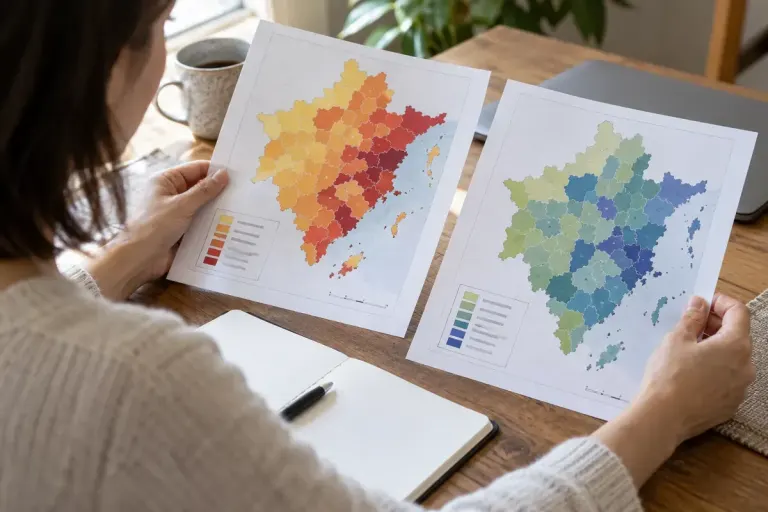
A dark patch on a map can represent several different things. Check the measure, colour scale, missing data and boundaries before sharing it.
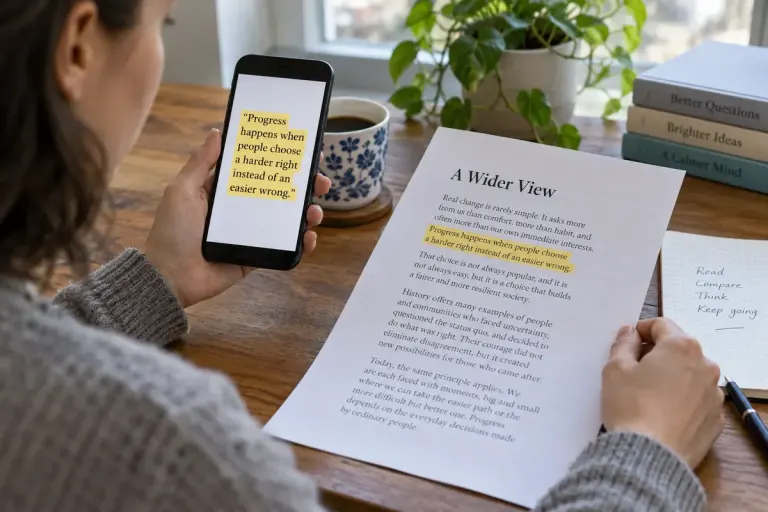
Check a shortened quotation against its surrounding words so an omission does not silently change the speaker’s meaning.
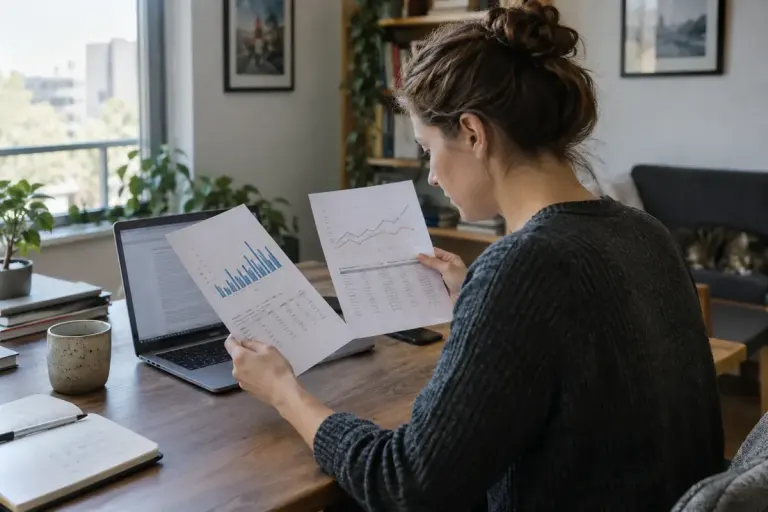
Provisional statistics can be useful without being final. Keep their release date, revision status, and comparison series visible when reading the news.