
Reading the News
An unnamed source is different from an unsigned article
An anonymous source and an unsigned report raise different questions. Trace who supplied the information and who takes responsibility for publishing it.

Read beyond the noise.
An anonymous source and an unsigned report raise different questions. Trace who supplied the information and who takes responsibility for publishing it.
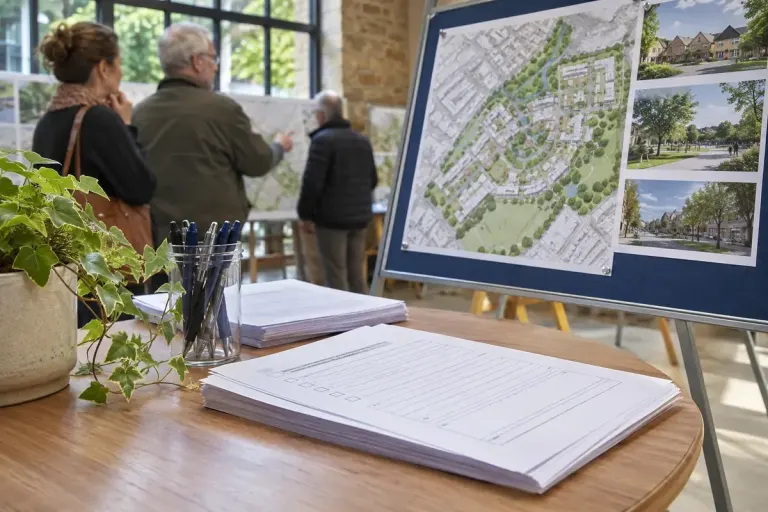
Consultation responses can reveal valuable concerns without measuring the whole public’s opinion. Read the sample and question base before quoting a percentage.

Two polls can ask about the same issue without asking the same question. Read the exact wording, answer choices and question order before comparing their percentages.
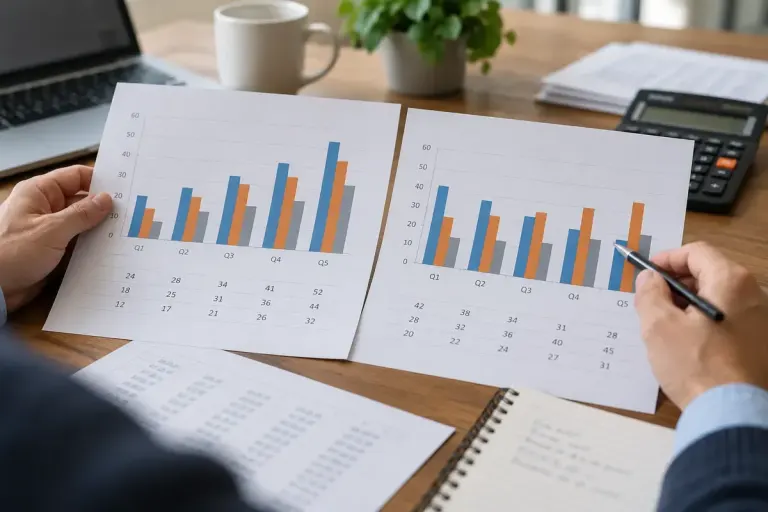
Vote share and seat share measure different results. Learn how to read an election chart without treating votes cast and seats won as the same quantity.

Place a poll’s interviews on the calendar before interpreting its headline, especially when an important event happened between fieldwork and publication.
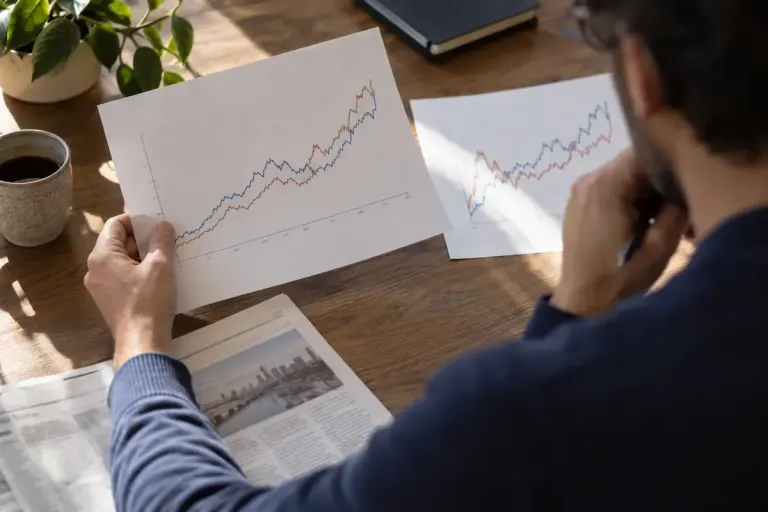
Read a story about two changing trends by checking the timeline, possible shared causes and the evidence needed for a causal claim.

Exit polls estimate patterns from surveyed voters. Learn why their numbers differ from ballot counts and why early versions can change.

On a logarithmic chart, equally spaced marks can represent multiplication rather than addition. Read the axis before comparing slopes.
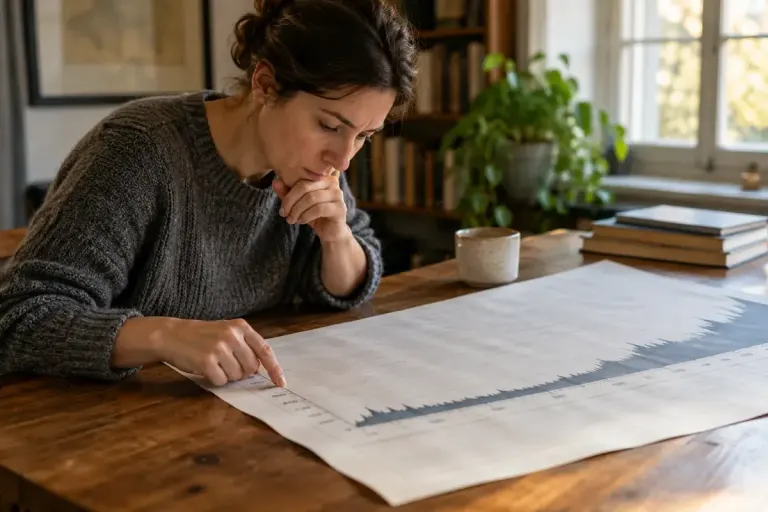
Read a record-high headline by checking the starting year, measurement and coverage, then distinguish the reported record from a claim about all history.